Irish Sea Mysteries: The Greatest Treasure Discoveries in History
August 30, 2026

The Irish coast has always carried a certain hush about it, a kind of ancient expectancy that settles over the waves like a veil. Fishermen swear they can feel it in the mornings when the fog clings low and the gulls circle silently, as if waiting for something to rise from the deep. Historians feel it too, though they dress it in more careful language. But anyone who has spent time along those rugged shores knows the truth: Ireland’s waters remember things, and sometimes they give them back.
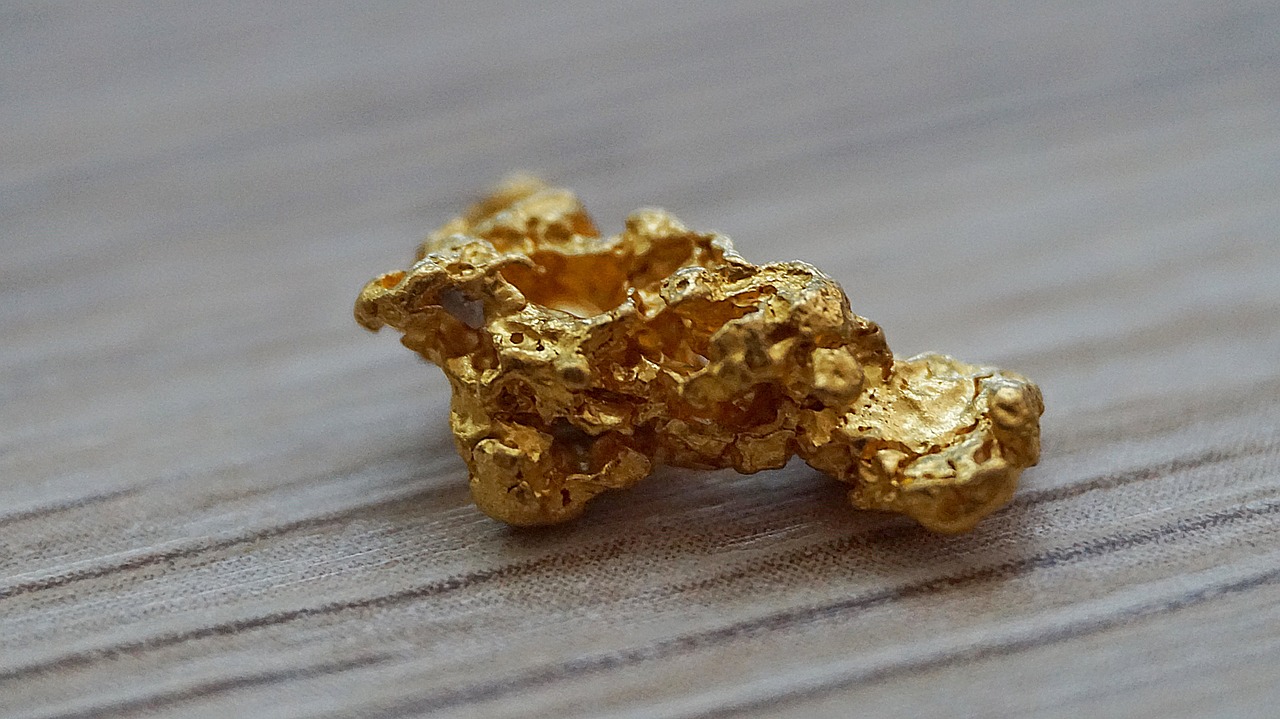
One of the greatest stories the sea ever returned began on a bitter January night in 1917, when the SS Laurentic struck German mines off the Donegal coast. The ship went down fast, swallowed by winter-black water, taking with it a cargo so astonishing that even today it sounds like fiction: more than three thousand gold bars, meant to fund the British war effort. For years afterward, divers worked the wreck in brutal conditions, hauling up bar after bar from the shattered hull. They recovered most of it, but not all. A handful of bars — heavy, gleaming, stamped with their wartime marks — slipped away into the silt and have never been found. Even now, the sea keeps those last pieces close, as if unwilling to surrender the final chapter of the story.
Yet the Laurentic is only one of the treasures that lie off Ireland’s shores. For centuries, rumors drifted along the Antrim coast about Spanish gold lost in storms, tales whispered in pubs and passed down through families. Most dismissed them as folklore, the kind of stories that grow in the telling. But modern surveys proved that at least part of the legend was true. Divers recovered real Spanish treasure — coins, artifacts, fragments of cargo — from wrecks scattered along the northern waters. And just like the Laurentic, not all of it has been accounted for. Somewhere beneath the cold Atlantic swells, more of that old Spanish wealth still rests, waiting for the right storm or the right diver to disturb its long sleep.
The sea does not only hide gold. Sometimes it hides stories, and sometimes those stories are stranger than treasure. In 1787, a ship called the Recovery vanished off the Wexford coast. It carried marble, bronze, rare art, and curiosities collected by wealthy Irish patrons — a floating cabinet of wonders. For more than two centuries, the ship was little more than a footnote in maritime records, its fate unknown. But in recent years, sonar swept across a quiet patch of seabed eighty-five miles south of Dublin and revealed something unexpected: the unmistakable outline of a wreck that matched the Recovery. When divers descended, they found remnants of its extraordinary cargo still resting where it had fallen. After two hundred years, the sea finally gave up the secret it had kept.
Not all discoveries glitter, but some carry a weight of history that feels just as powerful. In 1811, HMS Saldanha wrecked in a storm near Donegal, taking all 273 crew with her. For generations, the wreck was known only through tragedy and scattered accounts. But recent finds — naval artifacts, fragments of the ship’s fittings — have brought new life to the story. Each recovered item is a reminder of the men who sailed her, the storm that claimed them, and the unforgiving beauty of the Irish coast.
Taken together, these discoveries form a kind of tapestry, woven from gold bars, Spanish coins, marble statues, naval relics, and the quiet persistence of the sea. Ireland’s waters have never been gentle, but they have always been generous in their own way. They keep what they wish to keep, and when the time is right, they return pieces of the past to those willing to search.
And perhaps that is the real treasure — not the gold or the artifacts, but the sense that the coastline itself is alive with stories. Every wave that breaks against the rocks carries a whisper from another century. Every diver who descends into the cold depths feels the presence of history pressing close. The Irish coast is not just a place where treasure has been found. It is a place where treasure still waits, held in the patient hands of the sea.


Comments